What Does EMDR Feel Like During and After a Session?
Eye Movement Desensitization and Reprocessing EMDR therapy In Arizoan is widely recognized as an effective, evidence-based treatment for trauma, anxiety, and distressing life experiences. Yet many individuals considering EMDR wonder what the therapy actually feels like. Unlike traditional talk therapy, EMDR engages the brain in a unique way, which can make the experience unfamiliar or difficult to imagine in advance.
This article explains what clients commonly experience during and after EMDR sessions, why responses vary from person to person, and how a skilled clinician ensures safety throughout the process. Understanding these experiences can help reduce anxiety, set realistic expectations, and foster a sense of control before beginning EMDR therapy.
Understanding the EMDR Process Before the Session Begins

Before EMDR processing ever starts, clients go through a preparation phase that is essential to helping clients adjust to and feel ready for how the therapy ultimately feels. EMDR is not about suddenly reliving traumatic memories without support. Instead, the therapist first focuses on stabilization, trust, and readiness.
During this phase, clients learn grounding skills, emotional regulation techniques, and ways to manage distress both in and outside sessions. The therapist explains the EMDR process step by step, including how bilateral stimulation works and what to expect during reprocessing. After discussing how the brain works with bilateral stimulation, the therapist introduces this process with a resource to support the client’s trust in the process and assess if they connect with it. This preparation helps reduce fear of the unknown and ensures that the nervous system is supported.
Many people report that this phase already brings relief, as they feel understood and reassured. By the time active EMDR Therapy begins, clients often feel more confident, emotionally equipped, and aware that they remain in control throughout the process.
What EMDR Feels Like During a Session
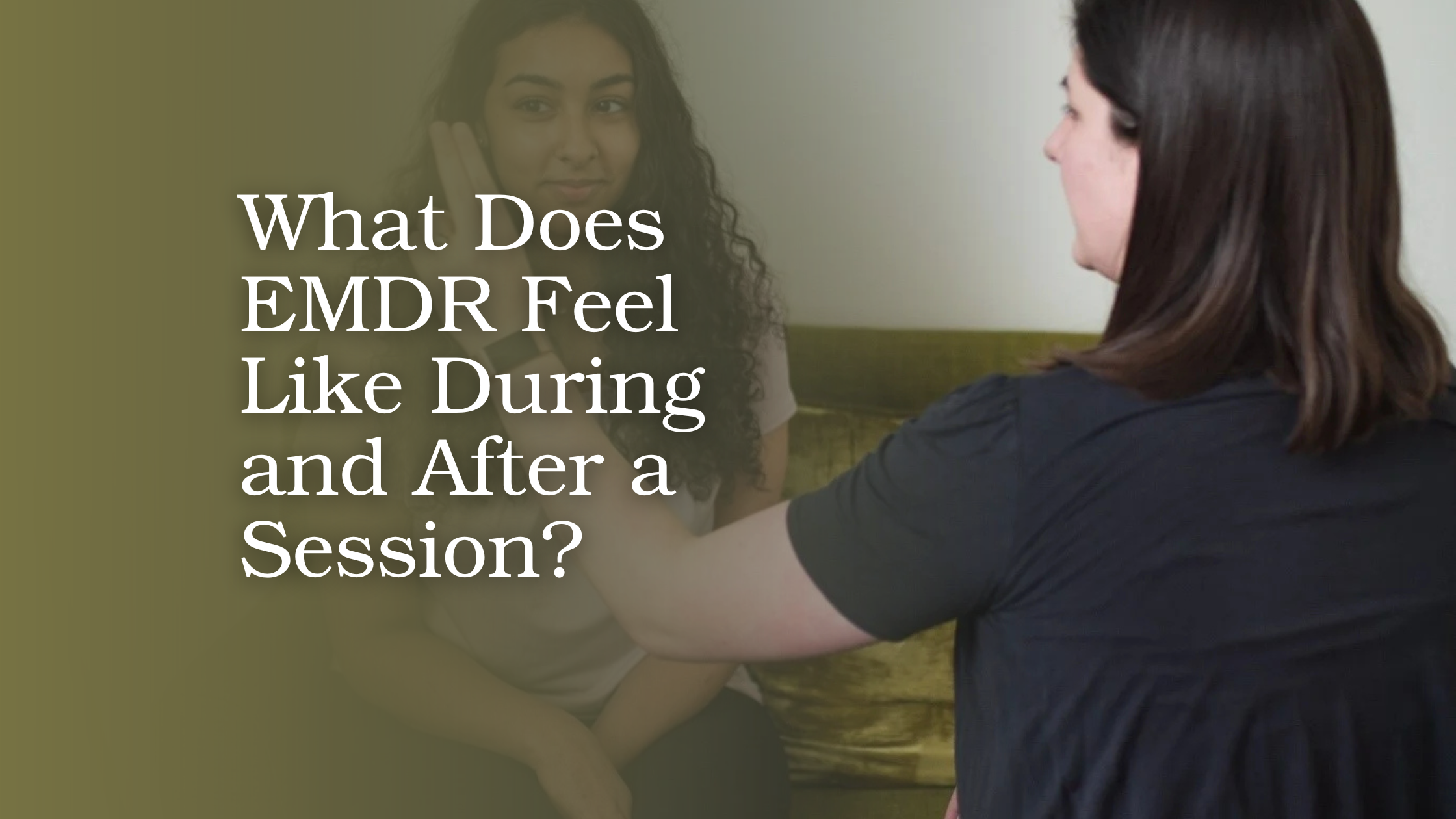
During an EMDR session, the experience is often described as focused, immersive, and emotionally engaging, though not necessarily overwhelming. Clients are asked to bring a memory, image, belief, or body sensation into awareness while following bilateral stimulation, such as guided eye movements, tapping, bilateral movement with art materials, or with audible tones.
As processing unfolds, the beginning focus of attention moves naturally to other parts of the experience such as thoughts, emotions, memories, or physical sensations. Some clients notice vivid imagery, while others experience subtle emotional or cognitive changes, and some experience specific sensations in the body that can feel a little surprising or uncomfortable. Importantly, there is no “right” way to feel during EMDR. The brain moves through associations at its own pace because the brain and body organize the memory differently than you would.
The role of the therapist is to support the client to ensure that the information continues to move, while feeling safe and present.
Common experiences during sessions include:
Emotional waves that rise and fall
Sudden insights or new perspectives
Physical sensations such as warmth, tightness, or release
Feeling detached or observing memories rather than reliving them
Clients remain aware of their surroundings and can pause at any time. The therapist continuously monitors distress levels and adjusts pacing to maintain safety.
Emotional Experiences During EMDR Processing
Emotionally, EMDR can feel intense at moments, but it is designed to be tolerable rather than overwhelming. Some individuals experience sadness, fear, anger, or grief as unresolved emotions surface. Others report a surprising sense of calm or emotional distance from the memory.
It is also common for emotions to shift rapidly within a session. A memory that once caused distress may begin to feel neutral, distant, or resolved as processing continues. This emotional flexibility is a sign that the brain is reprocessing the experience rather than remaining stuck in it. The first session can have bigger “waves of emotion” than following sessions.
For individuals with complex trauma, emotional responses may be more layered or gradual. Skilled EMDR therapists carefully pace sessions to prevent flooding and ensure emotional containment. Over time, clients often describe feeling less reactive, more emotionally balanced, and better able to tolerate previously triggering situations.
Physical Sensations During EMDR
EMDR does not only involve thoughts and emotions; it also involves the body. The body holds many elements of memory including sensations and emotions. Most clients experience physical sensations as part of the reprocessing experience. These sensations are the nervous system’s way of releasing stored stress and trauma (memory).
Physical experiences may include:

Tightness, tension, or heaviness in the chest
Changes in breathing
Discomfort or pain
Tingling, warmth, or lightness
Muscle relaxation or spontaneous sighs
Temporary fatigue
These sensations typically pass as processing continues and are not harmful. Therapists regularly check in about physical comfort and help clients ground if sensations feel too uncomfortable. Over time, many clients report feeling more relaxed in their bodies and relieved of some physical symptoms that have been intrusive in the past.
Cognitive Shifts and New Insights
One of the most notable aspects of EMDR is the cognitive shift that naturally occur. Clients begin sessions identifying a deeply ingrained negative belief that feels true such as “I am not safe” or “It was my fault.” As processing progresses, these beliefs shift and transform without deliberate effort.
Rather than intellectually convincing oneself of a new belief, EMDR allows the brain to naturally arrive at more adaptive conclusions. Clients frequently report thoughts like:
“I did the best I could”
“I survived and I am safe now”
“It happened and I am ok”
These insights feel authentic rather than forced. The process continues with an integration phase to support the continuation of this new positive thought so that more options are available in every part of life: influencing daily interactions, emotional responses, and self-perception.
What EMDR Feels Like Immediately After a Session
After an EMDR session, clients may experience a range of reactions. Some feel lighter, calmer, or relieved, while others feel tired or emotionally sensitive. This variability is normal and reflects continued processing by the brain.
Common post-session experiences include:
Mental fatigue
Emotional tenderness
Heightened awareness or clarity
Temporary increase in dreams or memory recall
A sense of emotional release
Therapists provide guidance on post-session self-care, including hydration, rest, grounding exercises, taking a walk, or journaling if helpful. At Creative Path Therapy, clients are supported with practical strategies to help the nervous system regulate after EMDR sessions. Most clients find that these effects settle within a day or two, and over time post-session experiences often become more manageable as the nervous system adapts.
What EMDR Feels Like Over Time
As EMDR therapy continues, many clients notice cumulative changes rather than dramatic single-session breakthroughs. Emotional triggers lose their intensity, memories feel more distant, and daily stress becomes easier to manage.
Long-term changes often include:
Reduced emotional reactivity
Improved sleep
Increased sense of safety
Greater emotional resilience
Increased daily capacity for stress or creativity
Improved relationships and self-confidence
Rather than erasing memories, EMDR changes how the brain stores them; organizing them and filing them in the right place. Clients still remember past events, but the emotional charge no longer dominates their present experience.
What If EMDR Feels “Different” Than Expected?
Every individual experiences EMDR uniquely. Some people notice changes quickly, while others experience gradual improvement over multiple sessions. Some feel emotional release early on, while others notice cognitive clarity or reduced anxiety first.
Unexpected experiences may include:
Feeling neutral rather than emotional
Slow progress rather than immediate relief
Processing without vivid imagery
Physical sensations without strong emotions
All of these responses are valid. EMDR is not about forcing a specific outcome but allowing the brain to heal in its own way. Progress is measured by functional improvement and emotional regulation, not by intensity of experience.
We take care to assess symptoms before and after each target is completed with EMDR in order to support reflection about changes in symptoms and needs related to the EMDR and trauma processing goals.
How a Skilled EMDR Therapist Supports the Experience
A well-trained EMDR clinician plays a critical role in shaping how the therapy feels. The therapist ensures that sessions are structured, paced, and emotionally safe.
Key therapist responsibilities include:
Monitoring distress levels throughout sessions
Reinforcing grounding and regulation skills
Adjusting pacing or stopping processing if needed
Ensuring the client remains present and oriented
Providing emotional containment and reassurance
Assessing symptoms and needs
This supportive framework allows EMDR to be both effective and tolerable, even for individuals with complex trauma histories or chronic stress conditions
Common EMDR Experiences: Summary Table
| Phase | Common Experiences |
|---|---|
| During Session | Emotional shifts, physical sensations, new insights |
| Immediately After | Fatigue, relief, sensitivity, calm |
| Over Time | Reduced triggers, emotional balance, resilience, increased capacity |
Conclusion: What EMDR Ultimately Feels Like
EMDR therapy is often described as a process of gradual emotional unburdening rather than reliving trauma. While individual sessions may feel intense, neutral, or surprising, the overall trajectory is one of increased stability, clarity, and emotional freedom.
With proper preparation, skilled clinical support, and thoughtful pacing, EMDR allows the brain to resolve distress in a way that feels manageable and empowering. For many individuals, the ultimate experience of EMDR is not about what happens in a single session, but about how life begins to feel lighter, safer, and more balanced over time.
If you’re considering EMDR, understanding these experiences can help you approach therapy with confidence and realistic expectations, knowing that healing does not have to be rushed to be effective.
