Expressive Art Therapy in Mesa, Arizona
Personalized Trauma Therapy for Teens & Adults
Whether you are processing overwhelming memories, navigating depression, moving through a life transition, or supporting a child who struggles to express themselves, there is a gentle pathway toward healing.
Healing often begins long before words appear. Many children, teens, and adults feel emotions in their bodies before they can explain them. We all carry trauma, anxiety, or memories that feel too tangled to speak out loud.
At Creative Path Therapy, we understand that talking doesn’t reach into our entire experience, and it isn’t the most effective way to heal. That’s why Expressive Art Therapy, a creative, deeply therapeutic approach, is one of the pillars of our practice. Our goal is simple: to help you find your path back to yourself with emotional clarity, safety, and connection through creativity and presence. .
Meet Your Specialized Team for Trauma-Informed Expressive Art Therapy
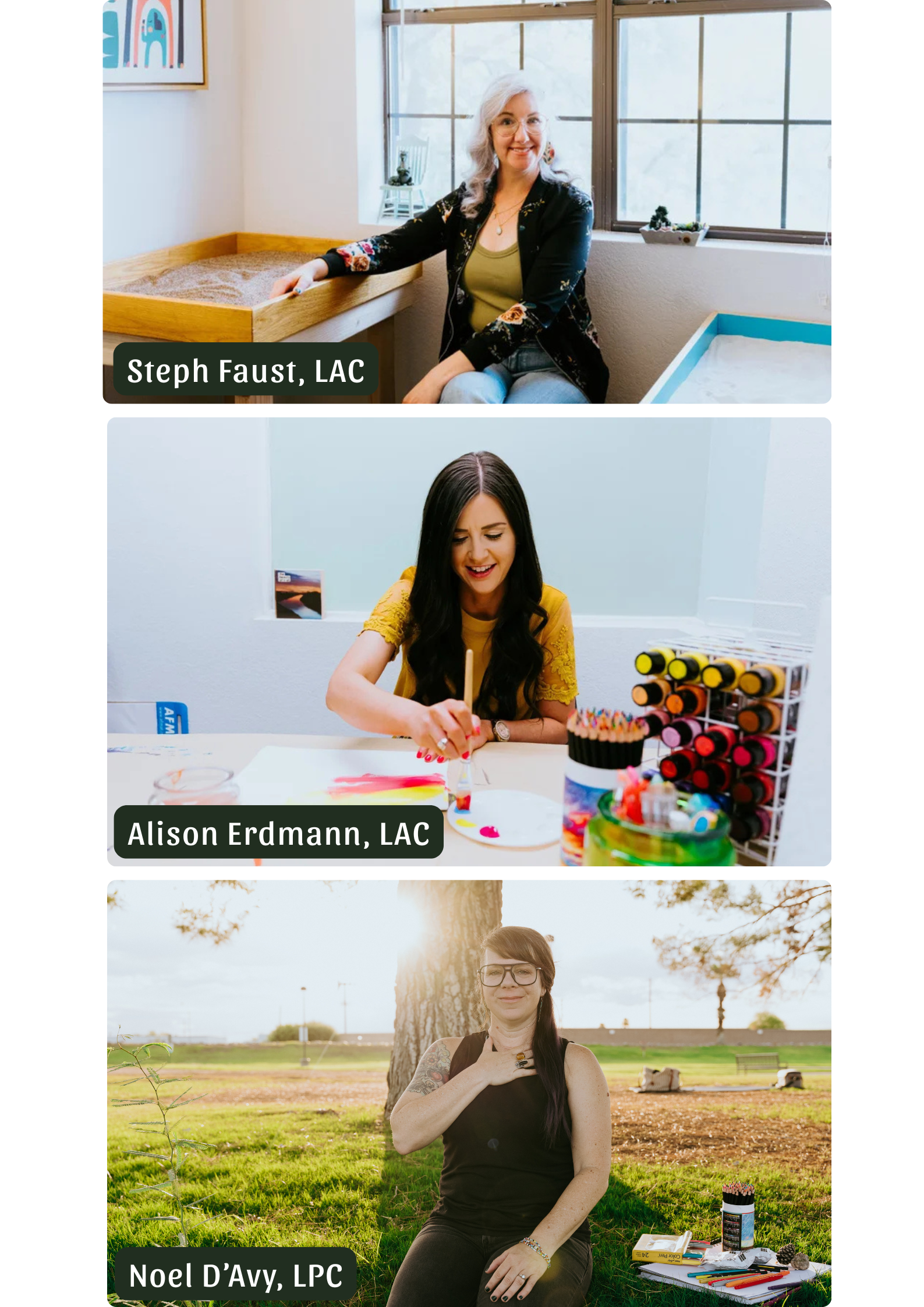
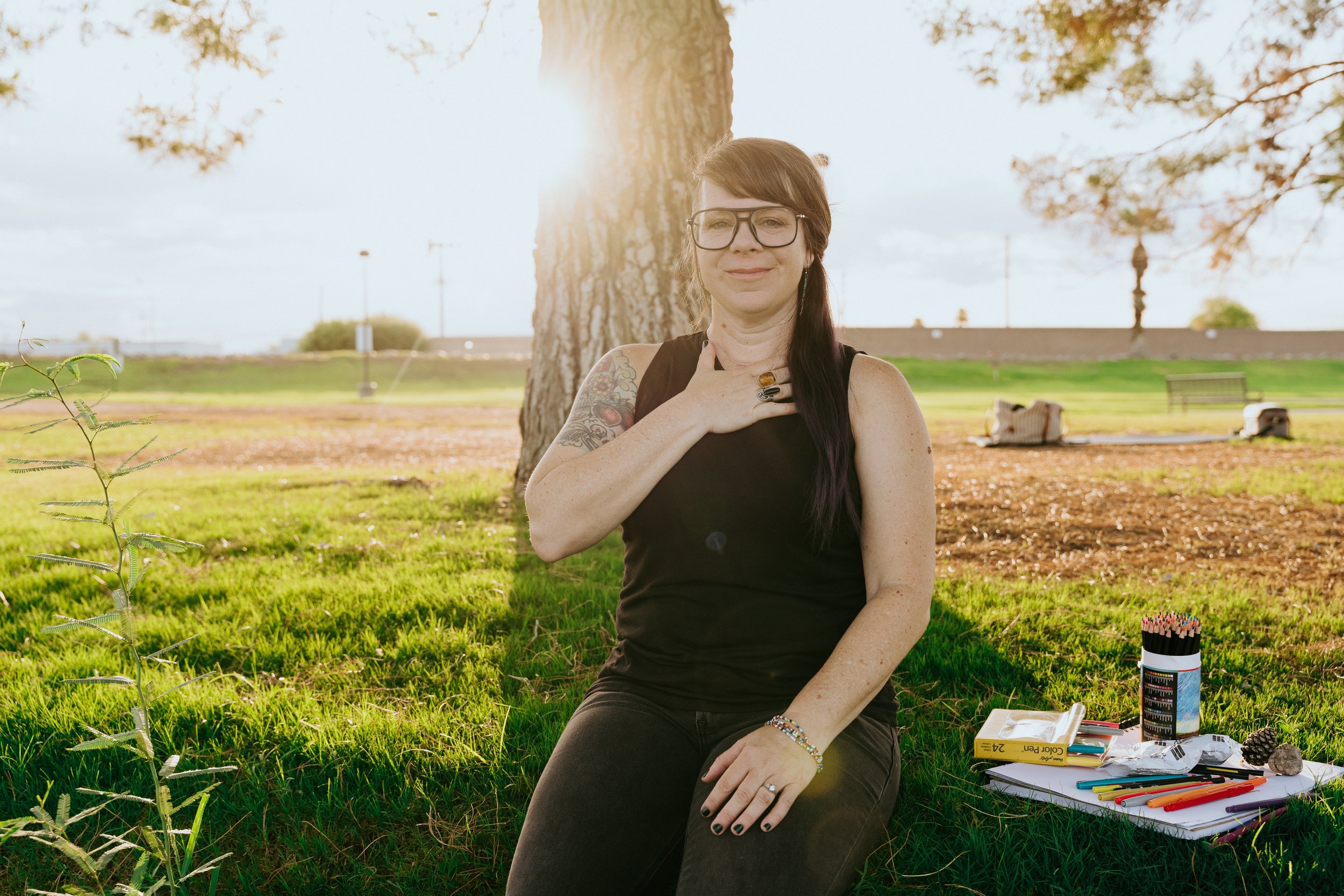
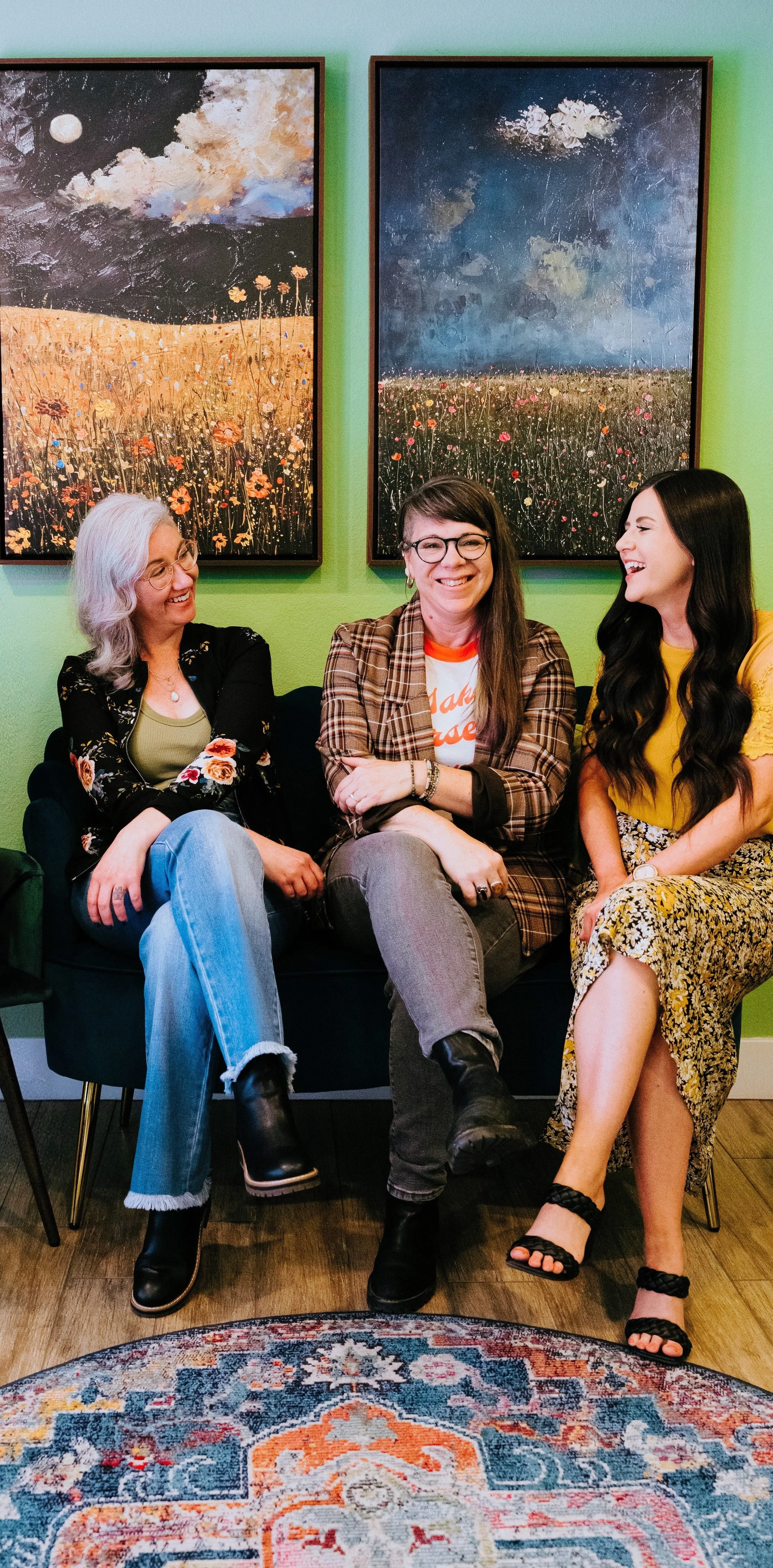
Creative Path Therapy is staffed by clinicians with advanced training in expressive arts and trauma modalities.
| Therapist | Intake | Per Session |
|---|---|---|
| Steph Faust, LPC | $175 | $155 |
| Alison Erdmann, LAC | $145 | $125 |
| Noel D’Avy, LPC | $200 | $180 |
| Low-Fee Openings | — | $50–$100 (limited availability) |
Low-fee slots require a consultation and may involve a waitlist.
Payment Options:
Credit card • Cash • Check • Thrizer
Policies:
24-hour cancellation policy | $75 fee for late cancellations/no-shows
Why Creative Path Therapy Is Arizona’s Home for Expressive Arts
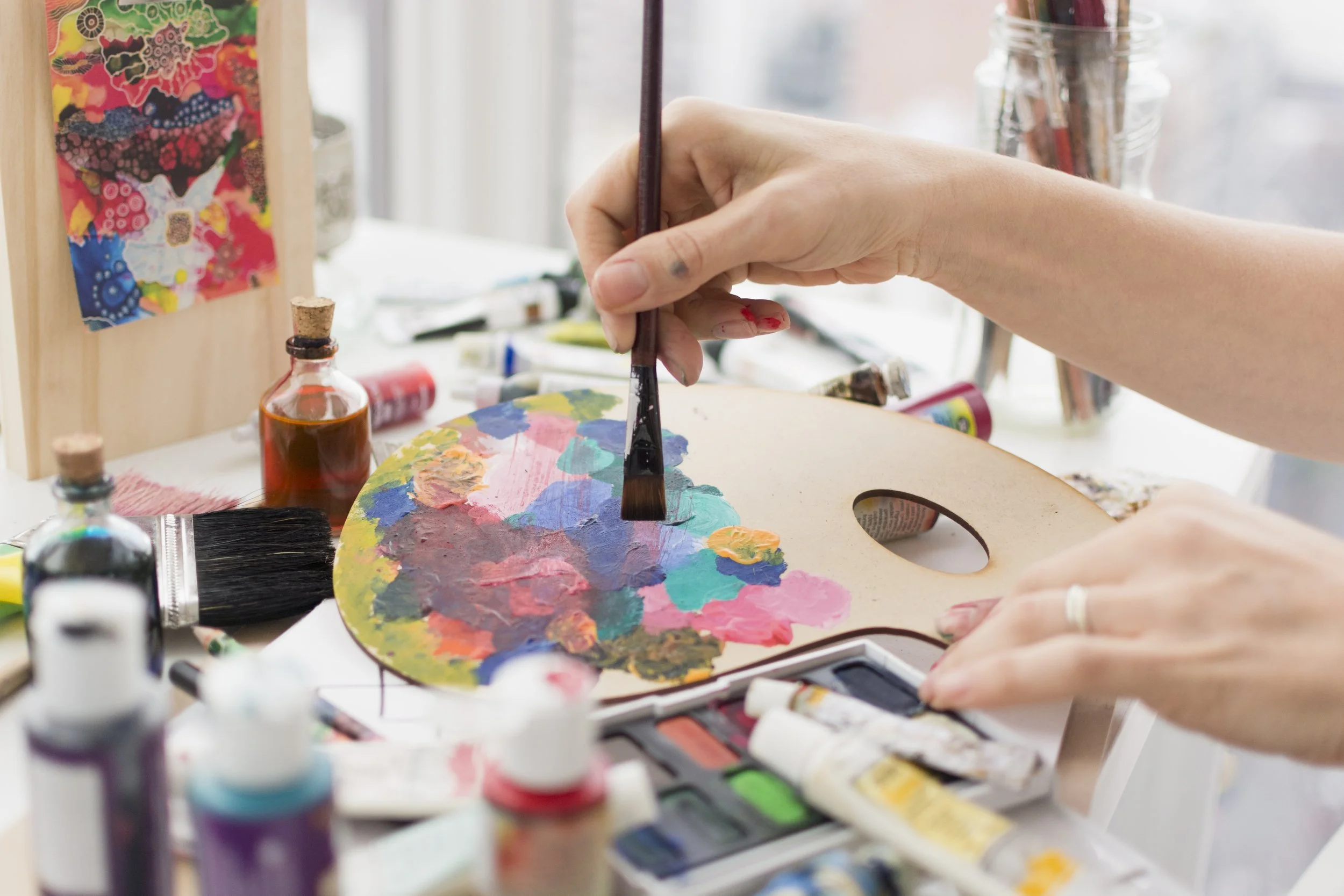
Unlike clinics that offer art therapy as a small add-on service, we’ve built an entire therapeutic experience around creativity. Our clients come from Mesa, Chandler, Gilbert, Tempe, Scottsdale, and surrounding communities to work with therapists who specialize in expressive arts and trauma-informed care.
A Dedicated Therapeutic Art Studio
We are one of the few practices in Arizona with a full art studio designed specifically for healing. This space allows clients to work with paint, clay, collage materials, and mixed media in an environment that feels safe, sensory-friendly, and welcoming.
Highly Trained Expressive Arts Therapists
Every therapist at Creative Path Therapy brings additional training in modalities that complement expressive arts, including:
EMDR
DBT
Sand Tray
Sensorimotor Psychotherapy
Play Therapy
IFS
CBT
This combination allows clients not only to express emotions creatively but also to process them through evidence-based methods.
Who Expressive Art Therapy Supports
Creativity is inherently flexible, making it powerful for a wide range of ages and emotional needs. No experience is needed to begin. You only need the willingness to explore.
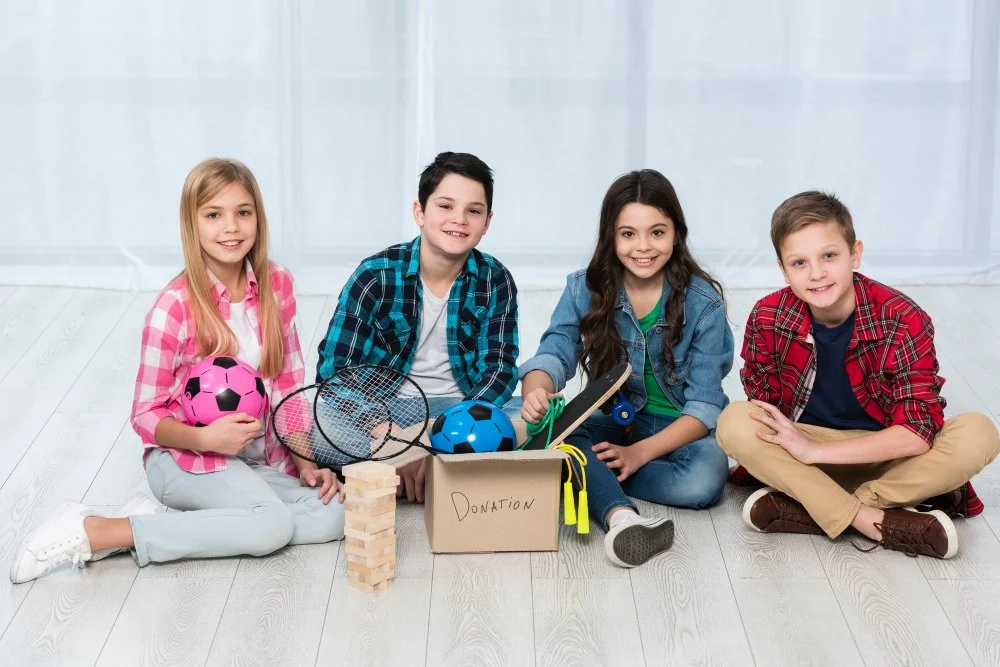
Children and Pre-teens
Younger clients often express more through symbols, color, movement, or sensory play than through conversation. Expressive Art Therapy invites development appropriate communication that allows anxiety, fear, confusion, and trauma to be expressed in a way that feels safe.
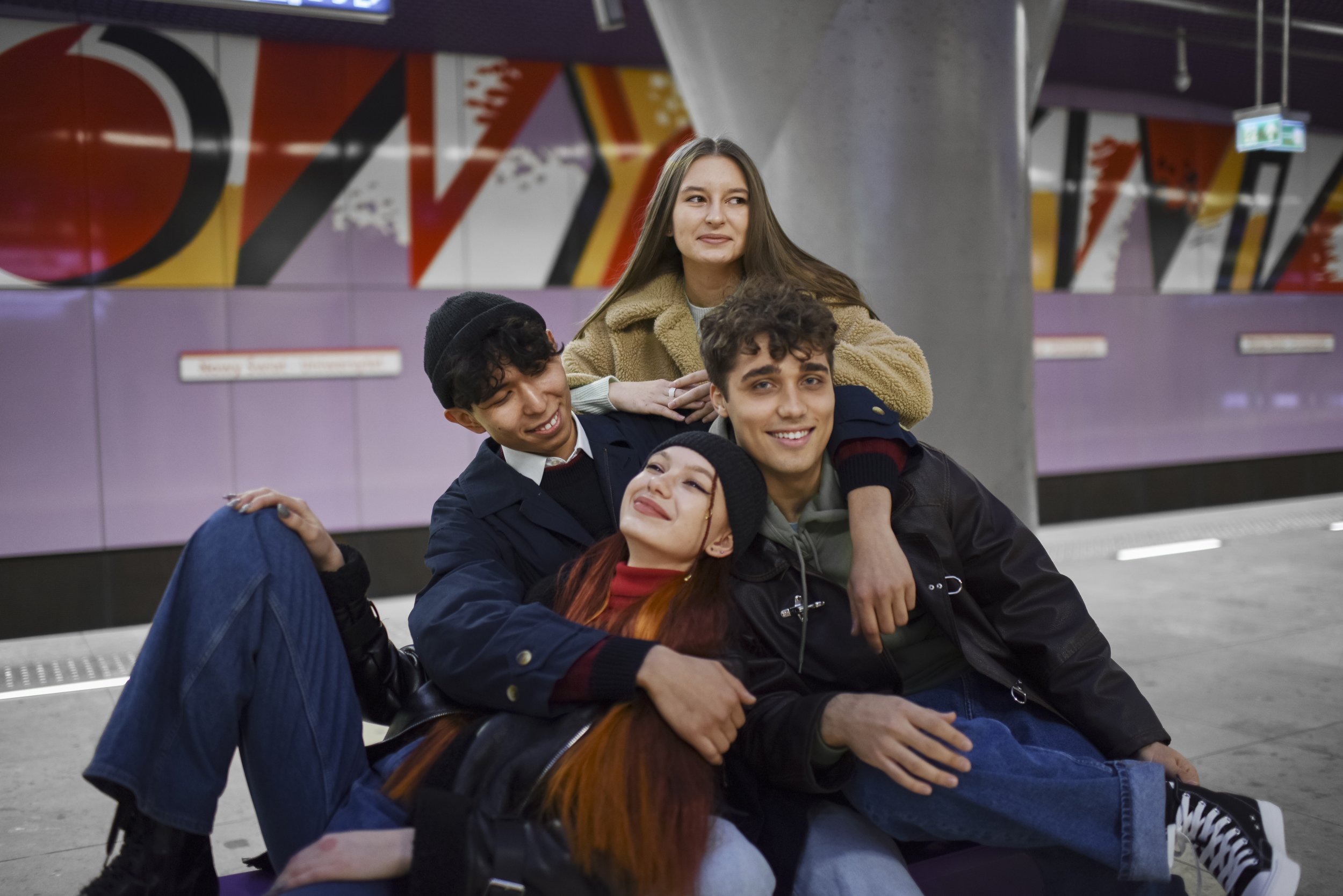
Teens
Teens benefit from Expressive Art Therapy when navigating identity shifts, peer pressure, emotional intensity, or past trauma. Creativity gives them an outlet that feels freeing and connected rather than confrontational.

Couples and Families
Creative exercises deepen communication, reduce emotional defensiveness, and help members understand one another in new ways.

Adults
For adults, expressive arts opens the door to deeper insight—especially for those dealing with: Depression, Anxiety, Trauma and C-PTSD, Grief, Relationship difficulties, Emotional numbness, Dissociation, Chronic overwhelm, Chronic pain
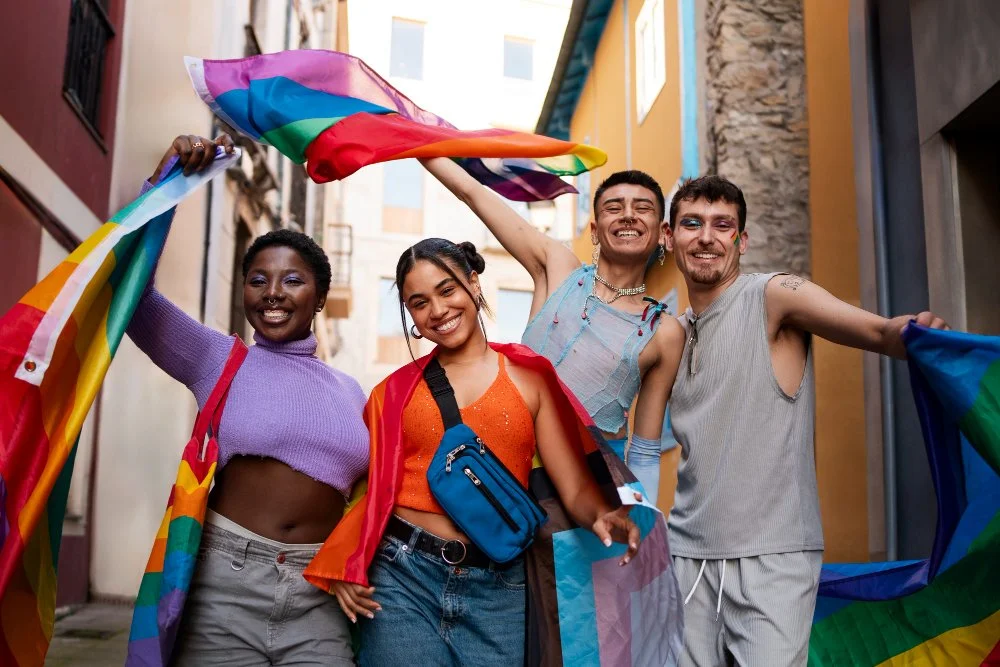
LGBTQIA+
We provide affirming, inclusive care for queer individuals and couples, honoring identity and lived experience throughout the creative process.
How Expressive Art Therapy Works at Creative Path Therapy

Settling Into the Session
We begin with grounding—breathing, body awareness, or a simple check-in. This sets the tone and helps your nervous system feel safe.
Creative Engagement
Depending on your comfort level, you may use:
Paints
Clay
Pens, Colored Pencils
Collage materials
Chalk or Oil pastels
Nature elements (eco-therapy)
Movement or storytelling
Music
You choose what feels right that day. We provide prompts to support your specific needs and story.
Exploring Meaning
Your therapist gently helps you reflect on what surfaced—colors, shapes, themes, sensations—not to interpret your art, but to help you gather what is important to your process.
Trauma-Informed Integration
If appropriate, we integrate EMDR, IFS, DBT skills, or somatic grounding to support deeper processing.
Closing Ritual
Sessions end with grounding, reflection, and stabilizing your emotions so you leave feeling supported.
Each session is paced with care, and every step is yours to choose.
Expressive Art Therapy is an individual, client-led process, not an art class. Each session blends creativity with emotional processing, designed to help you explore creative options and inner experiences safely.
FAQs About Expressive Art Therapy
Here are answers to common questions our new clients ask:
-
Absolutely not. No experience necessary! The process—not the product—is what heals.
-
This is for ALL ages! Many adults prefer expressive art therapy when talking feels overwhelming.
-
If you feel like a younger version of yourself or if you often have intrusive thoughts, memories or sensations that do not fit present circumstances, you likely have a traumatic experience that is asking to be processed.
Your therapist will help you understand and identify symptoms and triggers such as numbness, hypervigilance, emotional flooding ,panic, and disassociation.
-
Yes. Many clients benefit from combining both.
-
Not at all. Adults often find sand tray one of the most powerful trauma-processing tools.
-
The timeline depends on your goals and trauma history. Growth is not rushed.
We encourage people to consider coming at least 6 months to a year in a focused way (weekly or biweekly)
Many stories with more layers of trauma need longer seasons of ongoing care.
-
We meet outdoors (when possible) on a trail or at a park to connect with the earth and nature elements that support us in many ways. We practice ways of connecting and taking in our relationship with nature in ways that support our minds, bodies, and spirit.
-
We expect you to start connecting with new tools and skills within the first couple of months if you are regularly attending therapy. Our hope is you feel some relief and increase in connection with yourself in those first couple of months, however it can take a lot of practice and support to enter the hard parts of our stories.
Because we create goals together about the direction we are going, we can track what goals are being met and what goals need more time and support.