EMDR Therapy in Mesa, Arizona
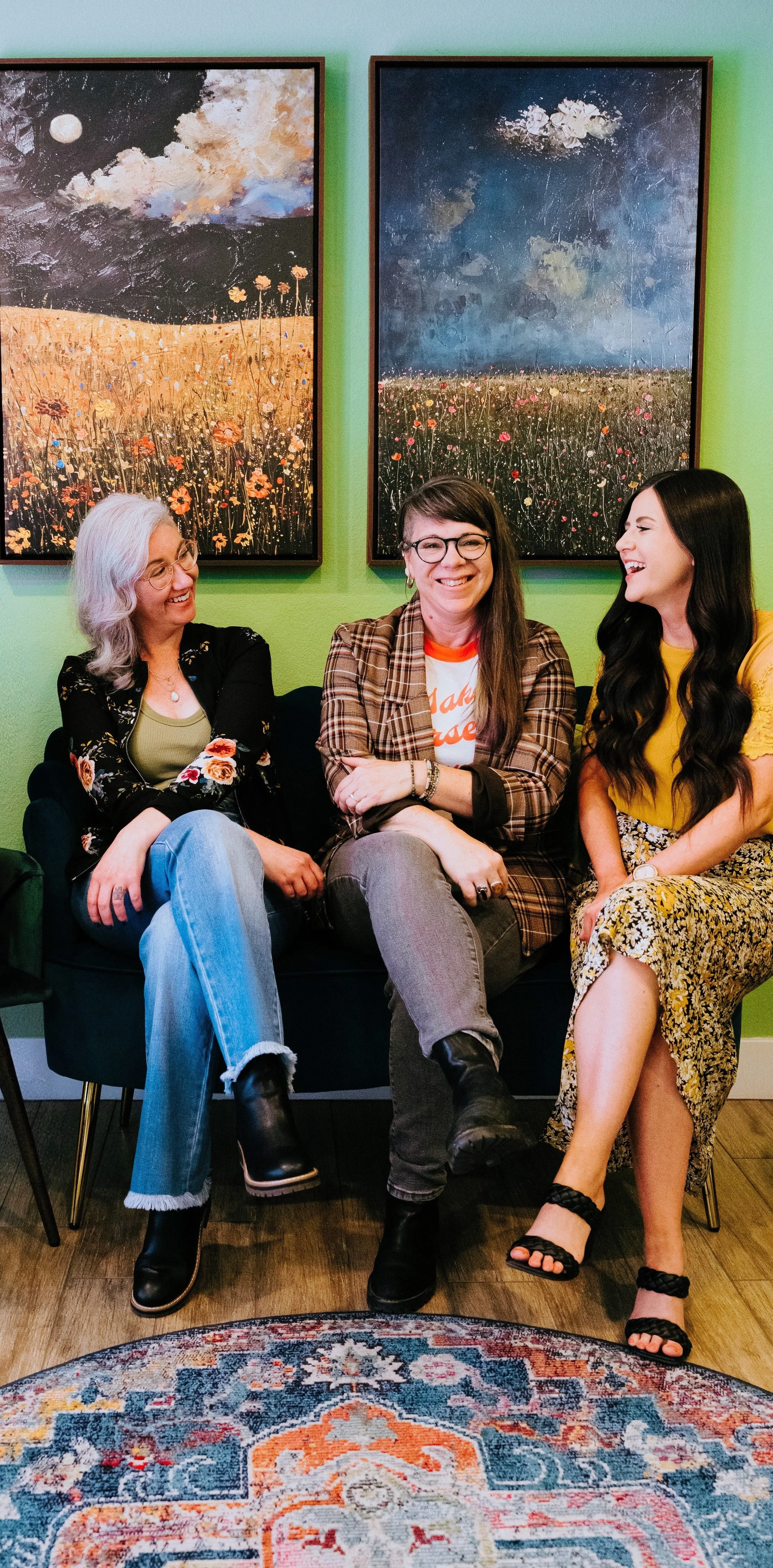
Personalized Trauma Therapy for Teens & Adults
Whether you are processing overwhelming memories, navigating depression, moving through a life transition, or supporting a child who struggles to express themselves, there is a gentle pathway toward healing.
Healing from trauma requires safety, clarity, and the right therapeutic tools. At Creative Path Therapy, we specialize in helping individuals, teens, and children process difficult memories, emotional wounds, and long-standing patterns that impact daily life. Our EMDR therapy services combine neuroscience, creativity, and trauma-informed care to help clients access deep healing in a way that feels safe, grounded, and empowering.
Rooted in evidence-based practice and guided by a team of highly trained therapists, EMDR supports clients who have experienced PTSD, C-PTSD, abuse, grief, neglect, spiritual trauma, domestic violence, childhood wounds, and life transitions. What makes us different is our unique integration of expressive arts, somatic awareness, and sensory integration, allowing clients to heal using methods that feel natural, accessible, and emotionally supportive.
Whether you are seeking therapy for yourself or your child, or you are exploring trauma recovery after months or years of emotional struggle, our team is here to walk alongside you with compassion and skill.
What Is EMDR Therapy?

Eye Movement Desensitization and Reprocessing (EMDR) is a globally recognized trauma therapy designed to help the brain process painful or overwhelming experiences. Instead of reliving trauma over and over, EMDR helps the nervous system release stored memories so they no longer trigger fear, anxiety, or emotional shutdown.
Using bilateral stimulation (such as eye movements, tapping, or tones), EMDR activates the brain’s natural healing system. Clients learn how to revisit traumatic material safely and gradually, without becoming overwhelmed. Over time, the emotional intensity connected to those memories decreases, making space for resilience, confidence, and healthy relationships.
At Creative Path Therapy, EMDR is not rushed. We pace the sessions in a way that honors your readiness. You guide the process, while we provide the structure and safety.
Our Approach to EMDR Therapy

Creative Path Therapy is one of the few practices in Arizona that combines EMDR with expressive arts, somatic awareness, eco-therapy, DBT skills, sand tray work, CBT, IFS parts work, sensorimotor techniques, and play therapy. This integrated approach helps clients access healing through multiple channels, especially when verbal expression is difficult.
Healing is never one-size-fits-all. Emotional wounds often exist on multiple levels — cognitive, emotional, physical, and relational. By integrating multimodal therapy, we help clients process trauma gently and holistically.
The Foundation of Our Approach
Safety Before Processing
We take time to build trust and emotional grounding. Clients learn how to regulate their nervous system before addressing traumatic material.
Creative Therapies to Support Expression
Because trauma is often stored in the body and expressed nonverbally, our art studio plays a central role in healing. Clients can draw, paint, sculpt, or create symbolic representations to externalize emotions before engaging in EMDR.
EMDR Tailored to Age and Development
We adjust EMDR protocols for children, teens, and adults. Young clients may engage in play-based EMDR, art-integrated EMDR, or sand tray EMDR.
Somatic and Mindfulness Techniques
We teach grounding, breathwork, sensory awareness, and gentle movement to help clients stay present during sessions.
Table: Creative Path Therapy's EMDR Model
| Component | What It Means | Why It Matters |
|---|---|---|
| Trauma-Informed Foundations | Safety, pacing, emotional regulation | Ensures clients do not feel overwhelmed |
| Expressive Arts Integration | Art-making, creativity, symbolic work | Helps process trauma nonverbally |
| Somatic Awareness | Mind-body connection, grounding techniques | Reduces physical tension and trauma responses |
| EMDR Phase Model | Structured, step-by-step processing | Builds clarity and stability through each stage |
| Child & Teen Adaptations | Play, art, sand trays, sensory tools | Makes EMDR accessible and age-appropriate |
| Eco-Therapy Options | Outdoor sessions, nature-based healing | Helps regulate the nervous system |
| Culturally Sensitive Care | English and Spanish services | Supports diverse clients with linguistic inclusion |
Conditions EMDR Helps Treat

Common challenges include:
• PTSD and C-PTSD
• Childhood trauma and attachment wounds
• Domestic violence and abuse
• Anxiety and panic
• Depression linked with trauma
• Spiritual trauma or religious harm
• Relationship trauma and emotional neglect
• Grief and loss
• Identity-based trauma
• Past medical trauma
• Trauma from bullying or school experiences
• Transitional trauma (divorce, moves, family conflict)
EMDR can support healing across many emotional and psychological concerns. Clients often seek treatment because they feel stuck, overwhelmed, or disconnected from themselves.
EMDR can also help with chronic stress, dissociation, emotional numbness, and physical symptoms connected to long-term trauma.
Our focus is not simply on reducing symptoms but on helping clients reconnect with a sense of identity, safety, and presence in their lives.
Why Families Choose Creative Path Therapy
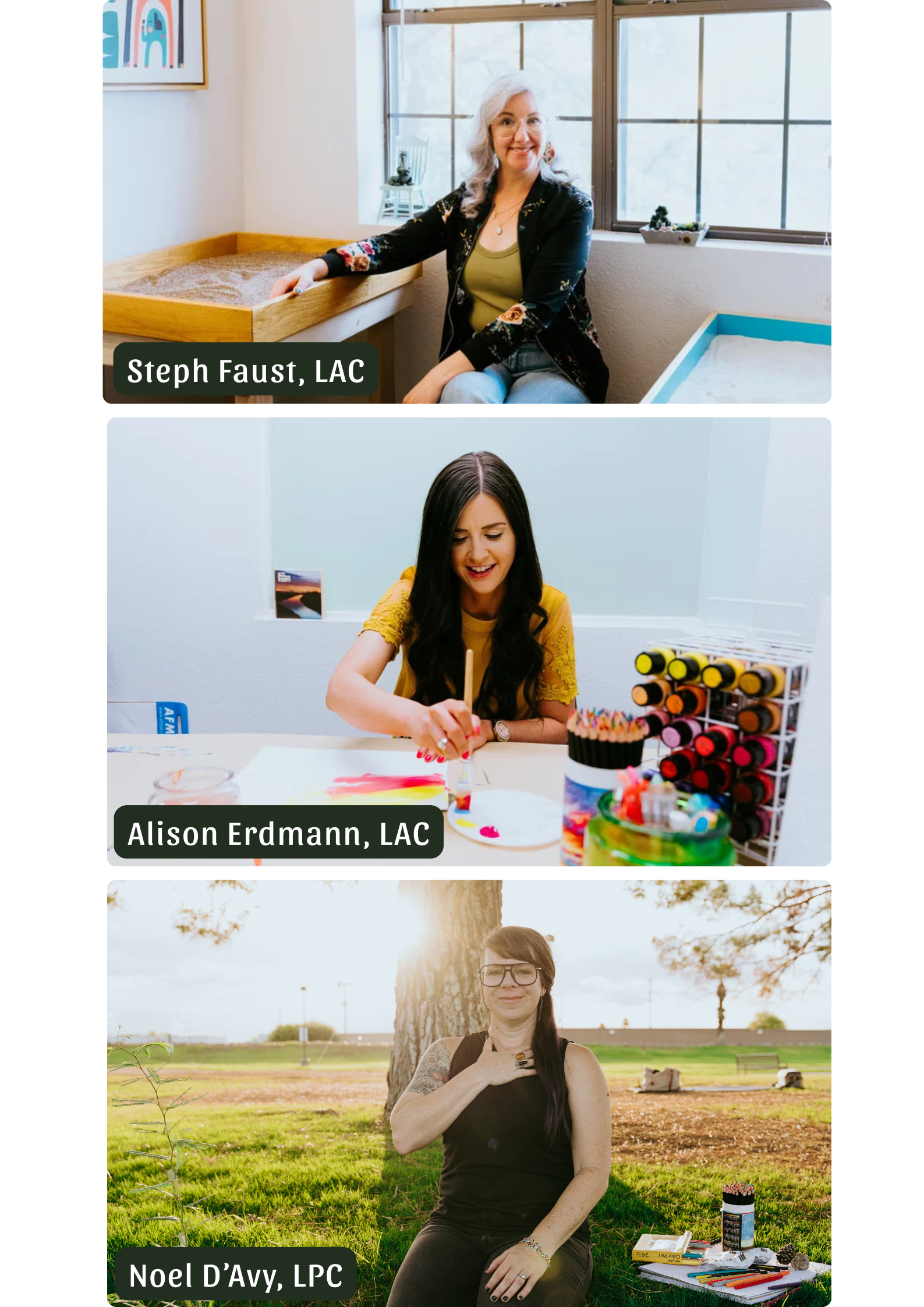
Creative Path Therapy stands apart from other trauma programs for several reasons:
We offer an on-site art studio for trauma processing, making creative therapies accessible and integrated into sessions.
We run expressive-arts trauma recovery groups, providing continued support outside individual therapy.
We offer eco-therapy groups and outdoor sessions, helping clients feel grounded and connected to nature.
We provide sliding scale options, ensuring therapy is more accessible and inclusive.
We support a wide range of developmental stages, from toddlers to older adults.
We welcome LGBTQIA+ individuals and couples, providing affirming, inclusive care.
We collaborate with psychiatrists, schools, and community providers when clients need additional support.
We also accept Thrizer, which helps simplify out-of-network reimbursement for clients.
What to Expect During EMDR Sessions
Clients often wonder what EMDR feels like. We ensure that every step is explained clearly so there are no surprises.

-
A 15-minute phone consultation helps us understand your needs and match you with the right therapist. This also allows you to ask questions and explore whether EMDR is a good fit.
-
A 60–90 minute intake session includes history-gathering, emotional assessment, and discussion of goals. Intake paperwork is completed beforehand so the session can focus on understanding your needs.
-
We help you build emotional safety, grounding techniques, and coping strategies. Many clients find this phase transformational even before trauma processing begins.
-
Once you feel ready, we begin processing specific memories using bilateral stimulation. You remain aware and in control at all times.
-
After processing, we focus on strengthening healthier beliefs, self-awareness, and emotional resilience. Integration ensures that the gains from EMDR translate into daily life.
-
Healing is not linear. We offer continued guidance, trauma-informed therapy, and creative modalities to support long-term growth.
Who We Help: Trauma Recovery Across All Ages
Our EMDR clinicians work with a wide range of clients, from young children to older adults. Because trauma affects each person differently, we tailor every session to developmental age, emotional readiness, and personal goals.
Clients we support include:
• Young children coping with anxiety, trauma, nightmares, or behavioral changes
• Preteens and teens struggling with school stress, emotional overwhelm, self-esteem issues, or trauma histories
• Adults healing from PTSD, relationship trauma, childhood neglect, or life transitions
• LGBTQIA+ clients, including queer couples and individuals seeking affirming care
• Parents, families, and partners experiencing conflict, grief, or emotional distance
EMDR is effective for individuals of all cultures, backgrounds, and life experiences. We provide bilingual services in both English and Spanish to support Arizona’s diverse communities.
Frequently Asked Questions About EMDR
-
Not necessarily. EMDR does not require graphic descriptions. You only share what you feel ready to share.
-
Yes. Our child-trained clinicians use play therapy, art, and sensory tools to make EMDR gentle and developmentally appropriate.
-
Not at all. The focus is on expression, not talent.
-
Yes. EMDR can process emotional memories even when details are unclear.
-
Every person is different. Some clients improve within weeks, while others need longer-term support.
-
Yes. Many clients benefit from combining both.
-
You may feel calmer, less reactive, clearer in decision-making, or more connected to yourself and others.

Book Your Free Phone Consultation
We will walk with you as you reclaim safety, connection, and emotional freedom.