EMDR for Medical Trauma & Chronic Illness Stress
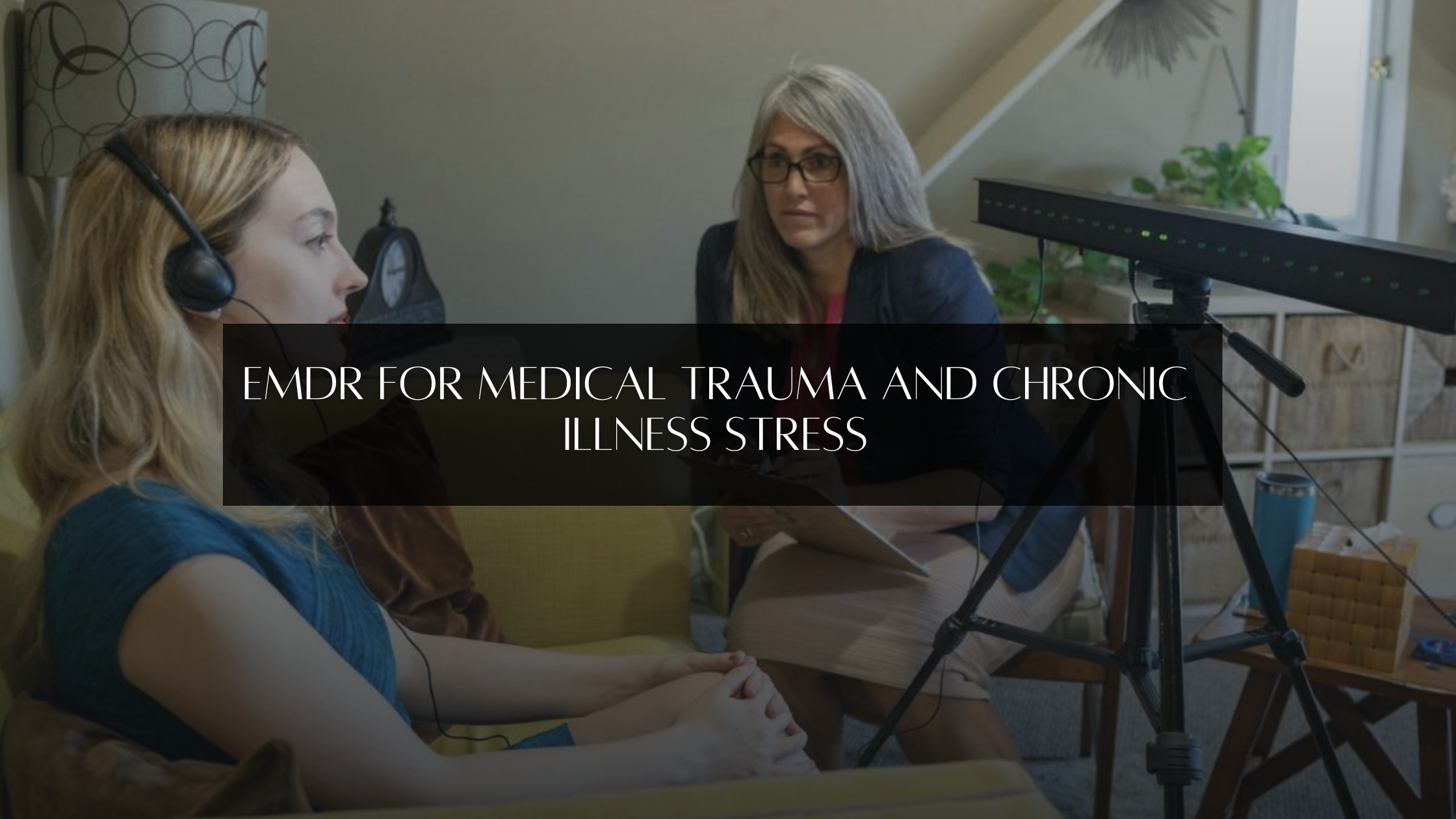
Medical experiences often leave more than physical effects—they can deeply impact emotional and psychological well-being. EMDR for medical trauma is a highly effective, evidence-based therapy that helps individuals process distress caused by surgeries, diagnoses, hospitalizations, or chronic illness.
Eye Movement Desensitization and Reprocessing (EMDR) therapy offers a powerful, evidence-based approach to addressing medical trauma and the chronic stress associated with long-term illness. By helping the brain reprocess distressing medical experiences, EMDR can reduce emotional reactivity, restore a sense of safety, and support psychological adjustment to ongoing health challenges.
This article explores how medical trauma develops, how chronic illness affects emotional well-being, and how EMDR therapy can help individuals heal from the psychological impact of medical experiences.
Understanding Medical Trauma

What Is Medical Trauma?
Medical experiences often leave more than physical effects—they can deeply impact emotional and psychological well-being. EMDR for medical trauma is an evidence-based therapy that helps individuals process distress caused by surgeries, diagnoses, hospitalizations, or chronic illness. It reduces anxiety, fear, and emotional overwhelm while restoring a sense of safety and control.
Medical trauma can develop following:
Emergency surgeries or intensive care stays
Painful or invasive procedures
Childbirth complications
Cancer diagnosis or treatment
Serious accidents requiring medical intervention
Repeated hospitalizations during childhood
Medical neglect or dismissal of symptoms
Sudden diagnoses or misdiagnoses
Unlike other forms of trauma, medical trauma often occurs in environments intended to promote healing. This contrast can make emotional reactions confusing or difficult to articulate, leading individuals to minimize or dismiss their distress.
Symptoms of Medical Trauma
Intrusive memories or flashbacks
Anxiety during medical visits
Sleep disturbances
Emotional numbness
Avoidance of healthcare
Disconnection from the body
Psychological Effects of Medical Trauma
Medical trauma can lead to symptoms similar to post-traumatic stress, including intrusive memories, heightened anxiety, emotional numbness, sleep disturbances, and avoidance of medical settings. Some individuals experience panic during medical appointments, while others feel detached from their bodies or emotionally overwhelmed when reminded of past treatments.
These responses are not signs of weakness. They reflect the nervous system’s attempt to protect itself after an experience that felt uncontrollable or threatening.
Chronic Illness and Ongoing Stress

The Emotional Impact of Living With Chronic Illness
Chronic illness introduces a unique form of stress that differs from single-event trauma. Ongoing symptoms, uncertainty about prognosis, lifestyle limitations, and repeated medical encounters can create a constant state of vigilance and emotional strain.
Individuals living with chronic illness may struggle with:
Fear of symptom flare-ups or medical emergencies
Loss of independence or identity
Grief related to changes in functioning or life plans
Feelings of helplessness or frustration
Medical burnout or emotional exhaustion
Over time, this persistent stress can sensitize the nervous system, making it harder to relax, regulate emotions, or feel safe in one’s body.
When Stress Becomes Trauma
Not all chronic illness leads to trauma, but when experiences involve repeated feelings of fear, powerlessness, or invalidation, the brain may begin to encode them as traumatic. EMDR therapy in Mesa Arizona helps distinguish between adaptive coping and trauma-driven responses, allowing individuals to respond to health challenges without overwhelming emotional reactivity.
How the Brain Processes Medical TraumaThreat, Memory, and the Nervous System
Medical trauma often involves perceived threats to survival or bodily integrity. During such events, the brain’s threat-detection system becomes highly active, prioritizing survival over integration of experience. As a result, memories may be stored in a fragmented, sensory-driven form rather than as coherent narratives.Triggers such as hospital smells, medical equipment, bodily sensations, or even health-related conversations can reactivate these memory networks, causing intense emotional or physical responses long after the medical event has passed.
Why Medical Trauma Persists
Medical trauma is particularly persistent because the body itself becomes a reminder of the experience. Symptoms, scars, medications, or ongoing treatments can continuously reactivate the nervous system. EMDR therapy addresses this by helping the brain reprocess distressing medical memories so they no longer trigger the same level of threat response.
What Is EMDR Therapy?Eye Movement Desensitization and Reprocessing (EMDR) is an evidence-based psychotherapy that helps the brain process distressing experiences more adaptively. EMDR does not erase memories, but it changes how they are stored so they no longer feel overwhelming or intrusive.
EMDR Regulations
During EMDR sessions, individuals briefly focus on aspects of a distressing medical memory while engaging in bilateral stimulation, such as guided eye movements or tapping. This process supports the brain’s natural ability to integrate information and reduce emotional intensity.
How EMDR Helps With Medical TraumaProcessing Traumatic Medical Memories
EMDR Regulations helps individuals revisit medical experiences in a controlled and supportive environment. As reprocessing occurs, memories that once triggered fear or panic often feel more distant and manageable.
Individuals may notice:
Reduced emotional intensity when recalling medical events
Less fear during medical appointments
Improved ability to tolerate bodily sensations
Decreased avoidance of healthcare settings
Restoring a Sense of Safety in the Body
Medical trauma often disrupts the individual’s relationship with their body. EMDR addresses not only cognitive and emotional aspects of trauma but also physical sensations associated with distress. This helps individuals regain trust in their bodies and feel more grounded.
Addressing Negative Beliefs
Medical trauma can lead to beliefs such as “My body has failed me,” “I am not safe,” or “I have no control.” EMDR helps identify and transform these beliefs into more adaptive ones, supporting emotional healing alongside physical care.
EMDR for Chronic Illness Stress
Reducing Ongoing Nervous System Activation
For individuals with chronic illness, EMDR scan target experiences that have contributed to ongoing stress, such as symptom flare-ups, frightening diagnoses, or repeated hospital visits. By calming the nervous system, EMDR reduces baseline anxiety and emotional exhaustion.
Supporting Emotional Adjustment
EMDR helps individuals process grief, anger, and fear related to chronic illness. This does not eliminate the reality of illness but allows individuals to engage with their lives more fully and with less emotional burden.
The EMDR Therapy Process
Preparation and Stabilization
Before processing medical trauma, the therapist focuses on building emotional regulation skills and ensuring the individual feels safe and supported. This is particularly important for those with complex medical histories or ongoing symptoms.
Identifying Targets
Targets may include specific medical events, moments of diagnosis, painful procedures, or ongoing fears related to illness progression.
Reprocessing and Integration
Through bilateral stimulation, distress decreases and more adaptive emotional responses emerge. Over time, individuals often feel less triggered by medical reminders and more confident in managing health-related stress.
Who Can Benefit From EMDR for Medical Trauma
EMDR is appropriate for:
Individuals with trauma related to surgery, illness, or medical emergencies
People experiencing anxiety or panic around medical care
Those living with chronic illness and emotional distress
Children, adolescents, and adults with medical trauma histories
EMDR can be adapted to developmental level and medical needs, ensuring a safe and individualized approach.
EMDR and Collaborative Care
EMDR therapy does not replace medical treatment. Instead, it complements medical care by addressing psychological distress that can interfere with recovery, adherence, and quality of life. When appropriate, EMDR can be integrated alongside psychotherapy, psychiatric care, and medical treatment.
The Importance of Working With a Trained Clinician
Medical trauma and chronic illness require sensitive, informed care. A trained EMDR therapist understands how to pace treatment, manage emotional responses, and adapt therapy to physical limitations or health-related concerns.
Dr. Joe’s background in clinical psychology allows EMDR to be delivered in a way that respects both psychological and medical complexity, ensuring care is safe, ethical, and effective.
Frequently Asked Questions
Q1. Can EMDR help with trauma from surgery?
Yes, EMDR can be very effective for individuals who have experienced trauma related to surgery. Many people develop fear, anxiety, or distress after invasive procedures, especially if the experience felt overwhelming or out of their control. EMDR helps by reprocessing these distressing memories so they no longer trigger intense emotional or physical reactions, allowing individuals to feel calmer and more at ease.
Q2. Is EMDR effective for chronic illness stress?
EMDR is highly beneficial for managing the emotional burden of chronic illness. While it does not treat the physical condition itself, it helps reduce stress, anxiety, and emotional exhaustion linked to ongoing health challenges. By calming the nervous system and processing difficult experiences, individuals often feel more resilient and better able to cope with their condition.
Q3. How many EMDR sessions are needed?
The number of EMDR sessions varies depending on the individual and the complexity of their experiences. Some people notice improvement within 6–12 sessions, while others with more complex or long-term trauma may require additional time. A trained therapist will assess your needs and create a personalized treatment plan to ensure safe and effective progress.
Q4. Can EMDR reduce fear of hospitals or doctors?Yes, EMDR can significantly reduce fear associated with hospitals, doctors, or medical procedures. These fears are often linked to past negative or traumatic experiences. EMDR works by desensitizing these triggers and helping the brain process them in a less distressing way, making future medical visits feel more manageable and less anxiety-provoking.
Q5. Is EMDR safe for people with ongoing medical conditions?EMDR is generally safe for individuals with ongoing medical conditions when conducted by a trained and experienced therapist. The therapy is carefully paced and adapted to suit each person’s physical and emotional state. Therapists ensure that the process does not overwhelm the individual and that it aligns with their overall health needs.
Conclusion
Medical trauma and chronic illness stress can have lasting emotional effects. EMDR for medical trauma provides a powerful way to process these experiences, reduce fear, and restore emotional balance. With the right support, healing is possible and sustainable.
Through EMDR, individuals can reduce fear, reconnect with their bodies, and regain a sense of agency in the face of health challenges. With professional guidance, healing becomes not only possible but sustainable. For those struggling with the psychological impact of medical experiences, EMDR therapy can be a meaningful step toward resilience, integration, and improved quality of life.
