Sand Tray Therapy in Mesa, Arizona
Sand Tray Therapy at Creative Path Therapy *supports adults & teens processing trauma, anxiety, or early experiences when words feel hard to access. Using symbolic, hands-on expression, this approach helps emotions surface safely.
Connect with us today!
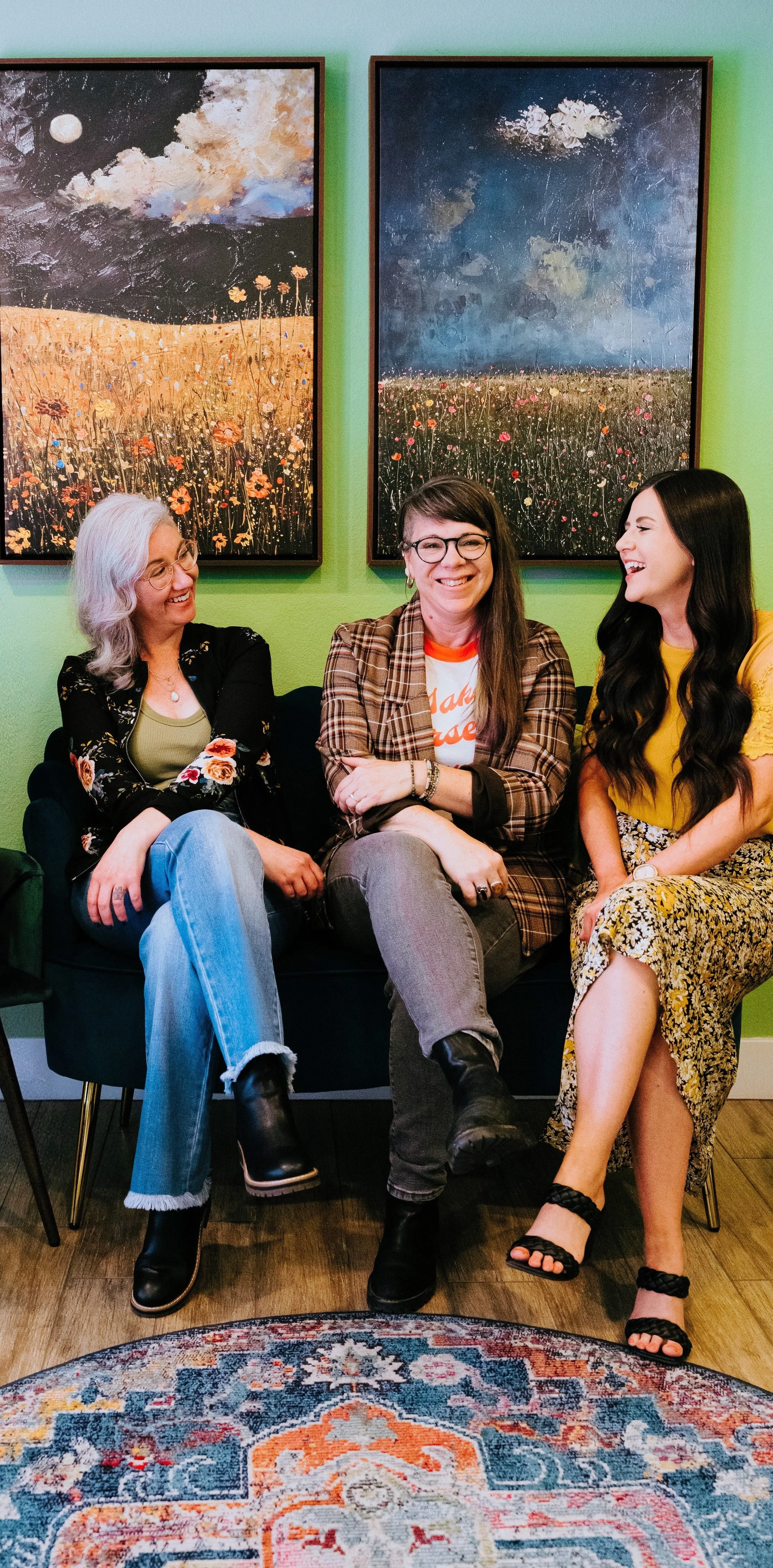
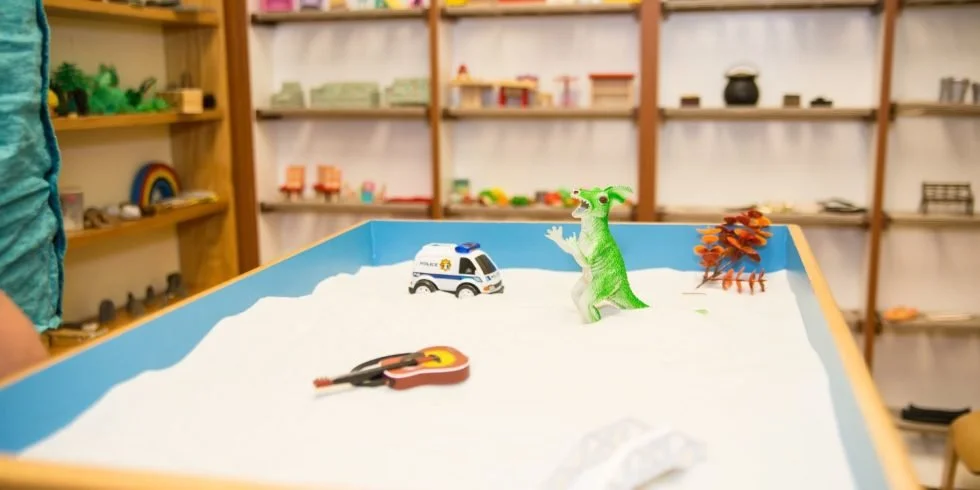
Sand TrayTherapy is one of the most powerful ways to explore our inner world. At Creative Path Therapy, we use this modality to help children, teens, and adults explore emotions, memories, needs, and internal conflicts in a safe and creative way. Our therapists guide clients to create miniature worlds using sand and figurines, offering a gentle pathway to healing that feels natural, intuitive, and deeply personal.
Located at 2345 S. Alma School Rd, we proudly support clients across Mesa, Chandler, Gilbert, and Tempe. Our office includes a dedicated expressive art studio and our offices host a variety of Sand Trays that invite clients to explore therapeutic themes creatively and comfortably.
Meet Your Ideal Team for Sand Tray Therapy
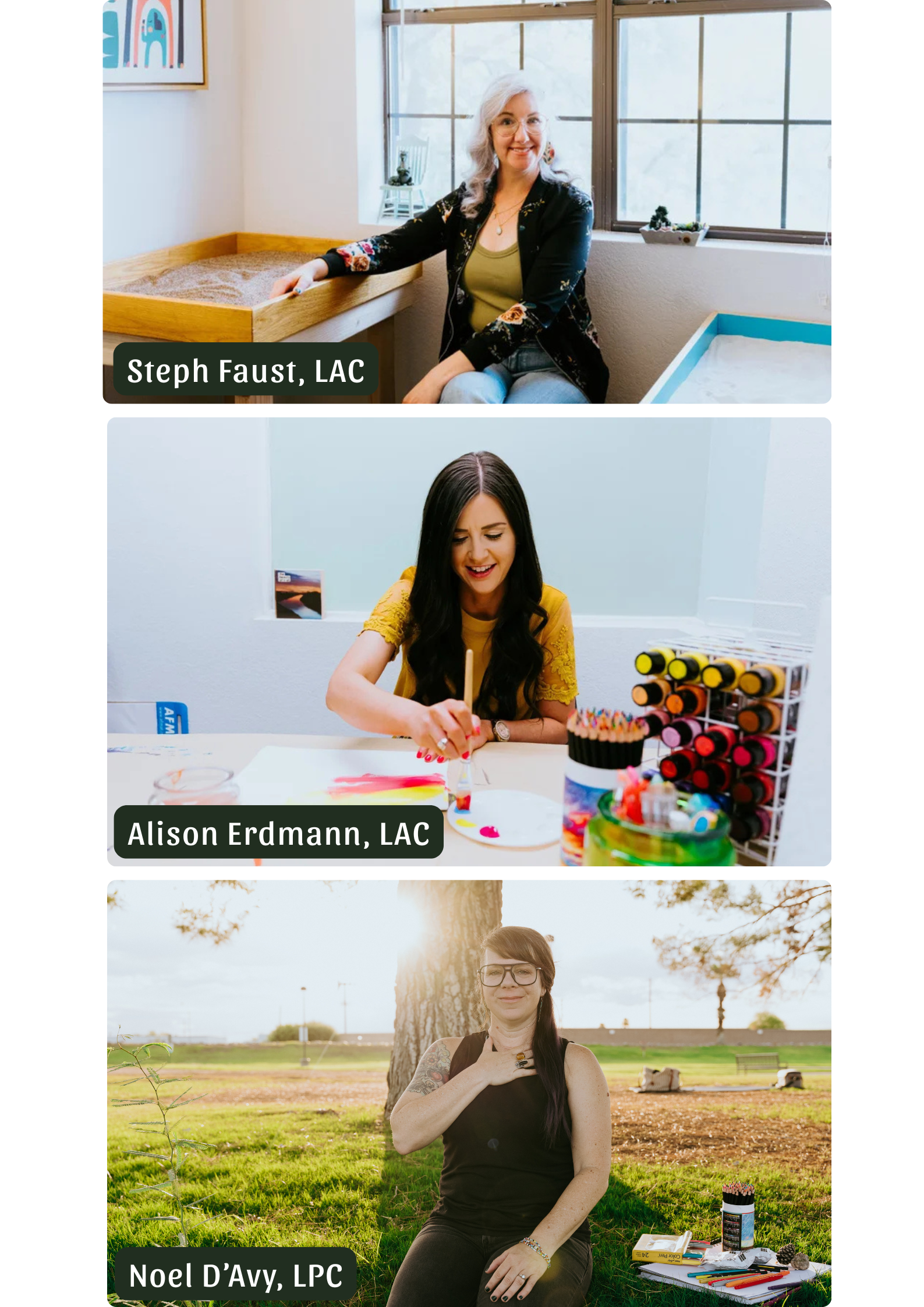
Creative Path Therapy is staffed by clinicians with advanced training in Sand Tray Therapy.
| Therapist | Intake session | Standard session |
|---|---|---|
| Steph Faust, LPC | $175 | $155 |
| Alison Erdmann, LAC | $145 | $125 |
| Low-Fee Openings | — | $50–$100 (limited availability) |
Low-fee slots require a consultation and may involve a waitlist.
Payment Options:
Credit card • Cash • Check • Thrizer
Policies:
24-hour cancellation policy | $75 fee for late cancellations/no-shows
Who Benefits from SandTray Therapy
Creative Path Therapy works with clients from age zero to seventy. Sand Tray Therapy supports a wide range of individuals including:
Children who process the world through play
Teens navigating identity, social pressure, or emotional overwhelm
Adults and teens working through trauma, grief, transitions, or relational wounds
LGBTQIA+ clients seeking safe space to be seen and explore needs..
Couples or families experiencing communication breakdowns
Sand Tray Therapy is especially helpful for clients who feel stuck in talk therapy or find it difficult to express certain emotional experiences through language alone. It deepens insight, expands emotional regulation, and strengthens self understanding through a creative process that feels safe and engaging.
What a Sand Tray Session Looks Like
A typical session lasts fifty to sixty minutes and unfolds in a calm, supportive environment. Clients choose figures, objects, or symbols from the shelves and place them in the sand in a way that feels intuitive. The therapist observes and supports the process without judgment or interruption. Sometimes the therapist may offer ideas of what themes or relationships the client may want to focus to support specific goals. After the creation phase, the therapist gently facilitates reflection, helping the client notice ideas, symbols, patterns, emotions, or insights that arise.
The goal is not to produce meaning immediately but to allow the subconscious to express itself naturally. Over time, clients gain clarity, emotional release, self trust, and a renewed sense of inner connection.
Conditions We Treat Through Sand Tray Therapy
Sand Tray Therapy is meaningful and effective across many emotional and psychological challenges. At Creative Path Therapy, clients often seek this modality for support with

Trauma and PTSD
Provides a nonverbal, safe method for exploring resources for overwhelming memories and sensations.

Childhood trauma
Supports processing early experiences that may not be accessible through language with play and symbols.

Depression
Encourages emotional expression when words feel unavailable. Identifies powerful pieces of the self that are hidden beneath the symptoms.

Anxiety
Creates a visual and sensory outlet for internal tension and fears. Opens up new resources for all the senses.


Grief and loss
Offers space to externalize feelings that are heavy or confusing. Invites space to honor all the emotions.
Relationship or Attachment wounds
Helps clients explore new and old patterns and relational needs safely

Identity exploration
Invites symbolic exploration of self, values, needs, options, and desires.

Emotional overwhelm
Builds emotional regulation skills through a tactile, grounded process.
FAQs About Sand Tray Therapy
Here are answers to common questions our new clients ask:
-
Sand Tray Therapy uses sand, figures, and symbolic representation to help clients express and explore emotional and felt experiences. It works by allowing subconscious material to surface naturally, which supports deeper insight and emotional healing with care.
-
Many adults benefit from Sand Tray Therapy. Adults often discover that this creative method helps them explore resources, trauma, grief, and internal conflict in ways that feel difficult for talk therapy alone to reach.
-
No artistic experience is needed. Sand Tray Therapy focuses on emotional expression rather than artistic ability. The process is intuitive and accessible for all clients. There is no wrong way to participate.
-
Sand Tray Therapy supports trauma, anxiety, depression, relationships, grief, childhood trauma, identity struggles, boundaries, and emotional overwhelm. It is especially useful for clients who feel stuck in traditional talk therapy.
-
The duration depends on your goals and the depth of the issues you are working through. We recommend a consistent pace of biweekly therapy for 6-12 months for those who are starting. Each person's needs and layers are unique. As we create the goals together, we can estimate a timeline that is appropriate for your needs and goals.
-
Sand Tray is highly effective for teens because it allows them to express emotions without pressure. Teens often feel more comfortable exploring identity, stress, and relationships through symbolic expression.
-
Children can attend individual Sand Tray sessions, though parent involvement is included through regular check ins and collaborative treatment planning. Since each child has unique needs, we will discuss the balance of individual and family sessions that will best support their needs.
-
Yes. The symbolic nature of Sand Tray allows clients to represent cultural experiences, identity, and values in ways that feel authentic and personal.