How Therapists Help You Stay Regulated During EMDR?
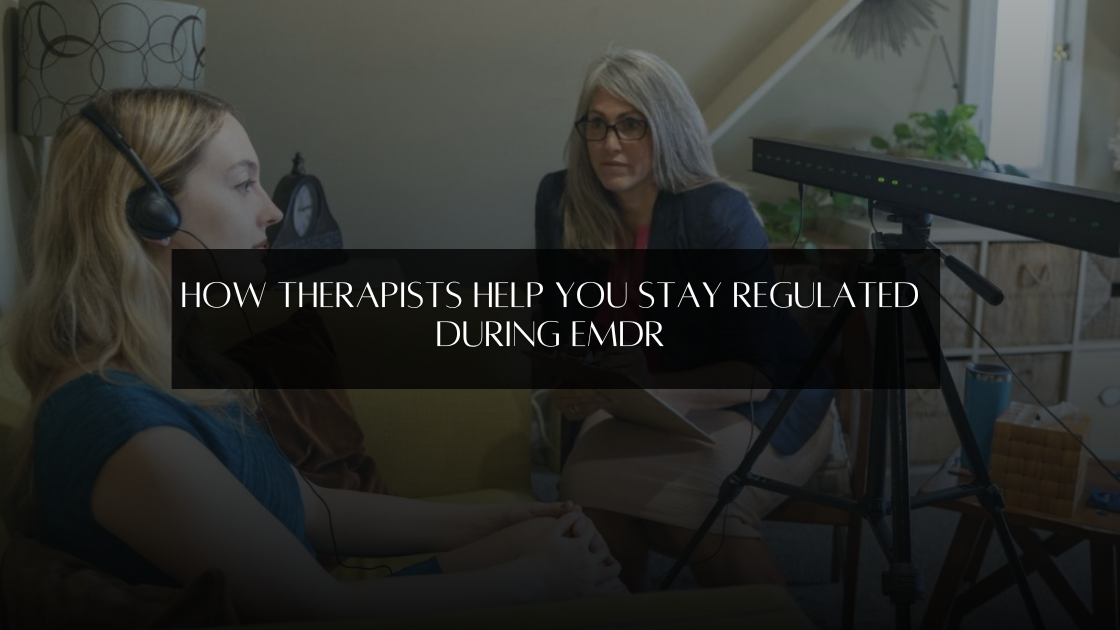
One of the most common concerns people have before starting EMDR therapy is fear of becoming overwhelmed. Many worry that processing trauma will feel too intense, emotionally destabilizing, or out of control. These concerns are understandable, especially for individuals with anxiety, childhood trauma, or past experiences of emotional flooding.
In reality, EMDR therapy in Arizona is designed with regulation and safety at its core. A well-trained EMDR therapist does not simply begin trauma processing and hope for the best. Instead, regulation is actively supported before, during, and after every session. The therapist’s role is not only to guide memory processing, but also to ensure that the nervous system remains within a tolerable range.
This article explains how EMDR therapists help clients stay regulated throughout the process and why this support is essential for effective and sustainable healing.
Why Emotional Regulation Is Central to EMDR Therapy
Trauma disrupts the nervous system’s ability to return to balance. When memories remain unprocessed, they can trigger intense emotional, physical, or cognitive reactions long after the original experience has passed. EMDR works by activating these memory networks so they can be reprocessed, but activation alone is not enough.
For healing to occur, the nervous system must remain:
Present-oriented
Grounded
Emotionally manageable
Physically safe
If emotional intensity becomes too high, the brain shifts into survival mode, limiting integration and increasing distress. This is why EMDR therapists pay close attention to regulation throughout treatment. Effective EMDR is not about pushing through discomfort, but about allowing the brain to process while staying connected to the present moment.
The Preparation Phase: Building Regulation Before Processing

Before any trauma processing begins, EMDR therapists spend time in a preparation phase. This phase is especially important for individuals with complex trauma, anxiety, dissociation, or limited emotional regulation skills.
During preparation, therapists help clients:
Understand how trauma affects the brain and body
Learn grounding and calming techniques
Develop a sense of safety within the therapy space
Practice noticing emotional and physical signals
Build confidence in their ability to tolerate distress
Common regulation strategies may include breath work, imagery, sensory grounding, or mindfulness-based skills. These tools are not optional add-ons. They are foundational skills that allow processing to occur safely. Preparation continues throughout therapy as needed, rather than being confined to a single phase.
How Therapists Monitor Regulation During EMDR Sessions
Once processing begins, therapists continuously monitor the client’s emotional and physiological state. Regulation is not assumed; it is actively assessed moment by moment.
Therapists pay attention to:
Changes in breathing
Shifts in posture or muscle tension
Dissociation or zoning out
Sudden emotional spikes
Difficulty staying oriented to the present
If signs of overwhelm appear, the therapist may slow the pace, pause bilateral stimulation, or guide the client back to grounding. This responsiveness is what prevents EMDR from becoming retraumatizing. Clients are never expected to endure distress silently or push through discomfort. Explore EMDR therapy costs in Arizona, including typical session prices and provider types. Creative Path Therapy in Mesa provides compassionate EMDR care.
Using Bilateral Stimulation to Support Regulation
While bilateral stimulation is often associated with memory processing, it also plays a role in emotional regulation. When paced appropriately, bilateral stimulation can help the nervous system maintain balance while accessing distressing material.
Therapists adjust:
Speed of stimulation
Length of processing sets
Type of stimulation (eye movements, tapping, tones)
Slower or shorter sets may be used when emotions intensify. Faster sets may be helpful when processing feels stuck. These adjustments are guided by clinical judgment and client feedback. Regulation is always prioritized over speed or intensity.
Grounding and Containment Techniques Used in EMDR
EMDR therapists use grounding and containment techniques to help clients stay present and oriented. These strategies are especially important when processing early or complex trauma.
Examples include:
Orienting to the room and present time
Using sensory cues such as touch or temperature
Visualizing safe or calming imagery
Temporarily setting aside distressing material
Engaging the body to release excess activation
Containment techniques help clients feel that they can approach trauma without being consumed by it. This sense of control is crucial for building trust in the process.
The Therapist’s Role in Maintaining a Window of Tolerance
The “window of tolerance” refers to the range in which emotional arousal is manageable and productive. EMDR therapists work intentionally to keep clients within this window.
If arousal becomes too high, clients may feel panicked or overwhelmed. If it becomes too low, they may feel numb or disconnected. Both states interfere with processing.
Therapists help maintain balance by:
Slowing or stopping processing when needed
Redirecting attention to regulation
Offering reassurance and orientation
Normalizing emotional responses
This attunement allows EMDR to be both effective and humane.
How Regulation Continues After the Session Ends
Regulation does not stop when the session ends. EMDR therapists ensure that clients leave sessions grounded and stable.
Closing strategies may include:
Brief grounding exercises
Reflecting on present safety
Reviewing coping tools for between sessions
Discussing what to expect emotionally afterward
Clients are encouraged to notice changes gently and to use regulation skills as needed. Therapists also check in at the start of each session to assess how processing is integrating over time.
Why Skilled Clinical Judgment Matters in EMDR
Not all EMDR Therapy experiences are the same. The therapist’s training and experience play a critical role in regulation, especially for individuals with complex trauma histories.
A skilled EMDR therapist knows:
When to proceed and when to slow down
How to adapt protocols to individual needs
How to recognize subtle signs of dysregulation
How to repair emotional overwhelm if it occurs
This clinical judgment ensures that EMDR remains a healing experience rather than an overwhelming one.
Conclusion: Regulation Is the Foundation of Effective EMDR
EMDR therapy is not about reliving trauma or pushing through distress. It is a carefully structured process that prioritizes emotional safety and nervous system regulation at every stage. Therapists play an active role in monitoring, supporting, and adjusting the process to ensure that clients remain grounded and present.
When regulation is supported, the brain can process traumatic memories in a way that leads to relief, insight, and integration. With a skilled EMDR therapist, clients do not face trauma alone. They are guided, supported, and empowered throughout the healing process.
Understanding how regulation works in EMDR can help individuals approach therapy with confidence, knowing that safety and care are central to the journey.
